Introduction
In today's fast-paced digital world, communication plays a pivotal role in both personal and professional realms. With the advent of technology, traditional phone systems have begun to evolve into more sophisticated alternatives. One such innovation is Voice over Internet Protocol (VoIP) phones. But what exactly are VoIP phones, and how do they work? In this comprehensive guide, we’ll explore everything you need to know about VoIP phones, from their functionality to their advantages and potential drawbacks.
What Are VoIP Phones? A Comprehensive Guide
VoIP phones are devices that allow users to make voice calls using the internet rather than conventional telephone lines. This technology converts your voice into data packets and sends them over the internet, enabling seamless communication without the limitations of traditional telephony. The use of VoIP has skyrocketed in recent years due to its cost-effectiveness and flexibility, making it an attractive option for businesses and individuals alike.
How Do VoIP Phones Work?
VoIP technology operates by digitizing your voice into packets of data. These packets travel over the internet to reach their destination where they are reassembled into sound. Here’s a brief overview of how this process works:
Voice Encoding: Your voice is captured by a microphone and converted into digital signals. Packetization: The digital signals are divided into small packets. Transmission: These packets travel over the internet using various protocols. Decoding: At the receiving end, the packets are reassembled into audio signals that can be heard through a speaker.Types of VoIP Phones
There are several types of VoIP phones available on the market today:
- Hardphones: Physical devices designed specifically for VoIP calls. Softphones: Software applications that run on computers or smartphones allowing users to make calls via their internet connection. Mobile VoIP Apps: Apps like Skype or WhatsApp that facilitate voice communications over the internet.
Benefits of Using VoIP Phones
Cost Savings: Compared to traditional phone services, VoIP can significantly reduce costs. Flexibility: Users can make calls from anywhere with an internet connection. Advanced Features: Most VoIP services include features such as voicemail-to-email, call forwarding, and conferencing capabilities at no extra charge.Potential Drawbacks of VoIP Phones
While there are numerous advantages, some challenges come with using VoIP technology:
Dependence on Internet Connection: If your internet goes down, so does your ability to make calls. Quality Issues: Call quality can vary based on bandwidth and network conditions. Emergency Calls Limitations: Some VoIP services may not support emergency calling or provide accurate location information.The Future of VoIP Technology
As technology progresses, so does the potential for further advancements in VoIP systems. Innovations such as artificial intelligence integration and enhanced security measures promise to reshape how we communicate even further.
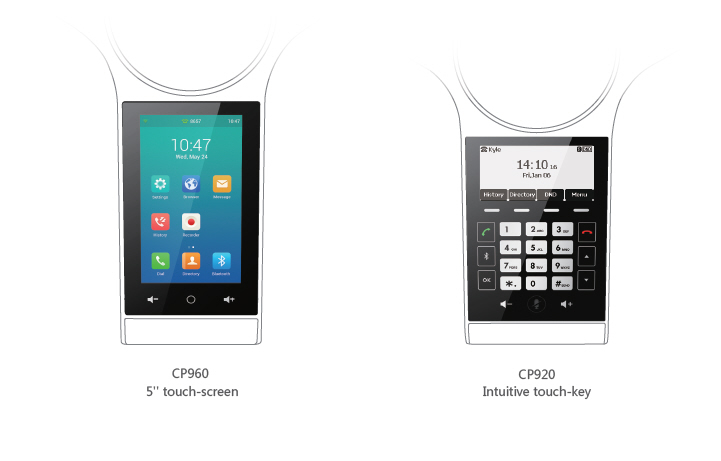
Understanding SIP in VoIP Communications
SIP (Session Initiation Protocol) is crucial for establishing communication sessions in VoIP networks. It facilitates signaling and controlling multimedia communication sessions including voice calls and video conferences.
How SIP Works in Practice
SIP manages various aspects of a call including initiating, maintaining, and terminating sessions while also handling user availability notifications.
VoIP vs Traditional Telephony: A Comparative Analysis
| Feature | VoIP Phones | Traditional Telephony | |-----------------------|-----------------------------------------|----------------------------------------| | Cost | Lower monthly fees | Higher monthly fees | | Mobility | Can be used anywhere with internet | Limited to physical location | | Features | Advanced features bundled | Basic features only | | Installation | Simple setup | Complex wiring often required |
User Experience with VoIP Phones
Adopting a new technology often comes with a learning curve; however, many users find that once they become accustomed to using VoIP phones, they appreciate the flexibility and additional features offered compared to traditional systems.
Setting Up Your Own VoIP System at Home or Office
Setting up a home or office VoIP system isn't as daunting as it seems! Here’s a step-by-step guide:
Choose a reliable Internet Service Provider (ISP). Select a suitable VoIP service provider based on your needs (business features vs personal use). Obtain necessary hardware (VoIP phone or adapters). Configure your network settings for optimal performance. Test your setup before going live!FAQs About VoIP Phones
top VoIP phones in Encino1. What are some popular brands of VoIP phones?
Some popular brands include Cisco, Polycom, Yealink, and Avaya.
2. Can I use my existing phone number with a new VoIP service?
Yes! Most providers offer number porting services which allow you to keep your existing number.
3. How secure is my data when using a VoIP phone?
While most providers implement encryption methods for security, always check if your provider offers robust security measures.
4. Do I need any special equipment for using a softphone?
You typically only need a computer or smartphone along with headphones/microphone for optimal experience.
5. Are there any monthly fees associated with using voip phones?
Yes! Most services charge monthly fees but these are generally much lower than traditional landlines.
6. Can I use my smartphone as a VoIP phone?
Absolutely! Many apps allow you to turn your smartphone into a full-fledged VoIP phone.
Conclusion
As we dive deeper into the digital age, understanding technologies like Voice over Internet Protocol becomes increasingly vital for effective communication management—both personally and professionally! Whether you're considering switching from traditional telephony or simply curious about what makes these gadgets tick—this guide has aimed to provide you with all you need to know about "What Are VoIP Phones? A Comprehensive Guide."
With countless advantages paired with advancing innovations in this field—it's clear that embracing this change could lead to enhanced connectivity at significantly reduced costs! So why not take the leap? Your future self might just thank you!
This article provides an extensive overview of "What Are VoIP Phones? A Comprehensive Guide," covering essential topics while ensuring readability through structured formatting and SEO practices suitable for engaging audiences interested in modern communication solutions.